Which of the AWS certifications is the right one?
By Michael Wutzke, , updated
If you take a closer look at cloud technologies from AWS (Amazon Web Services), you will quickly reach your limits. Getting started with services such as EC2 and Route 53 can be done easily without training, as long as you have the appropriate basic knowledge of website setup and administration.
However, if you play with the idea of using AWS more professionally, there is no way around training and further education. Because there are now more than 1,000 AWS services, and each of these services can work with others in some way. Anyone using AWS in their professional environment should therefore consider AWS certification.
If you are new to this topic and do not know the AWS certifications, you will quickly be overwhelmed by what is there and in what order the AWS training courses are expedient. The choice of the right training course logically always has to do with personal previous knowledge. The more knowledge you already have, the easier it is to understand the individual learning paths. Nevertheless, there are some tips on which training courses you should attend.
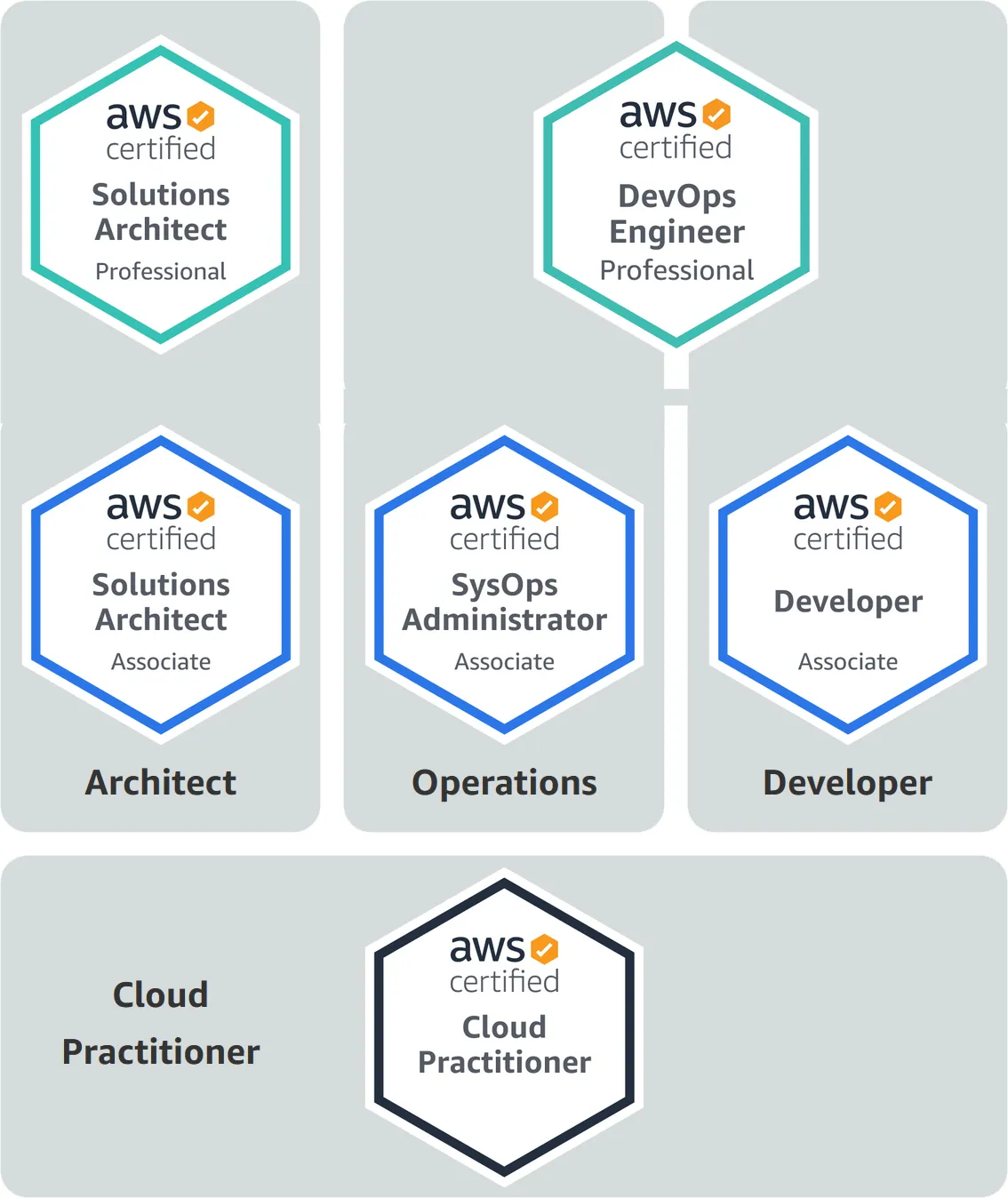
If you have little practical previous knowledge as a user with AWS, you should definitely complete the certification as AWS Certified Cloud Practitioner. This training gives an overview of all available AWS services and shows others that you are fundamentally familiar with the products. This certification is not only intended for IT professionals: people from areas other than IT can also use it to demonstrate their knowledge of AWS products. For the AWS Cloud Practitioner certification, you should have gained experience with AWS for at least 6 months.
If you have this basic knowledge, you should choose one of the next certifications according to the diagram if you want to delve deeper into the administration of Amazon Web Services. If you come from classic system administration, the path to AWS Solutions Architect is recommended. A classic software developer, on the other hand, should rather opt for certification as an AWS DevOps Enginner.
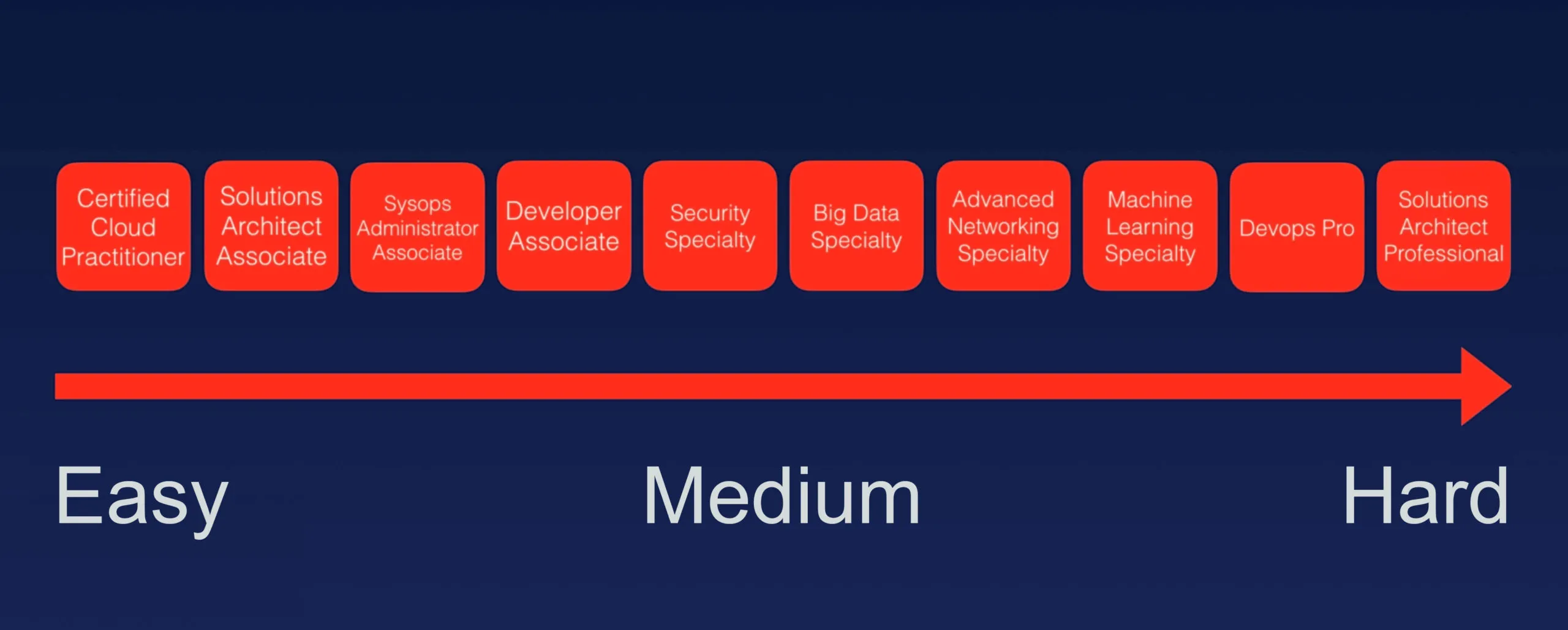
The associate levels are the entry-level programs and prepare AWS users for the difficult professional certifications. AWS recommends at least a year of hands-on experience as a cloud practitioner before attempting associate certification. During this time, however, you should also have worked intensively with various AWS services.
If you have passed one or more associate certifications, you should take a closer look at the details of the task fields stored in the learning path. Only then should you start a professional certification (AWS recommends at least two years of experience). You can make good use of this “waiting time” by working on one of the special fields.
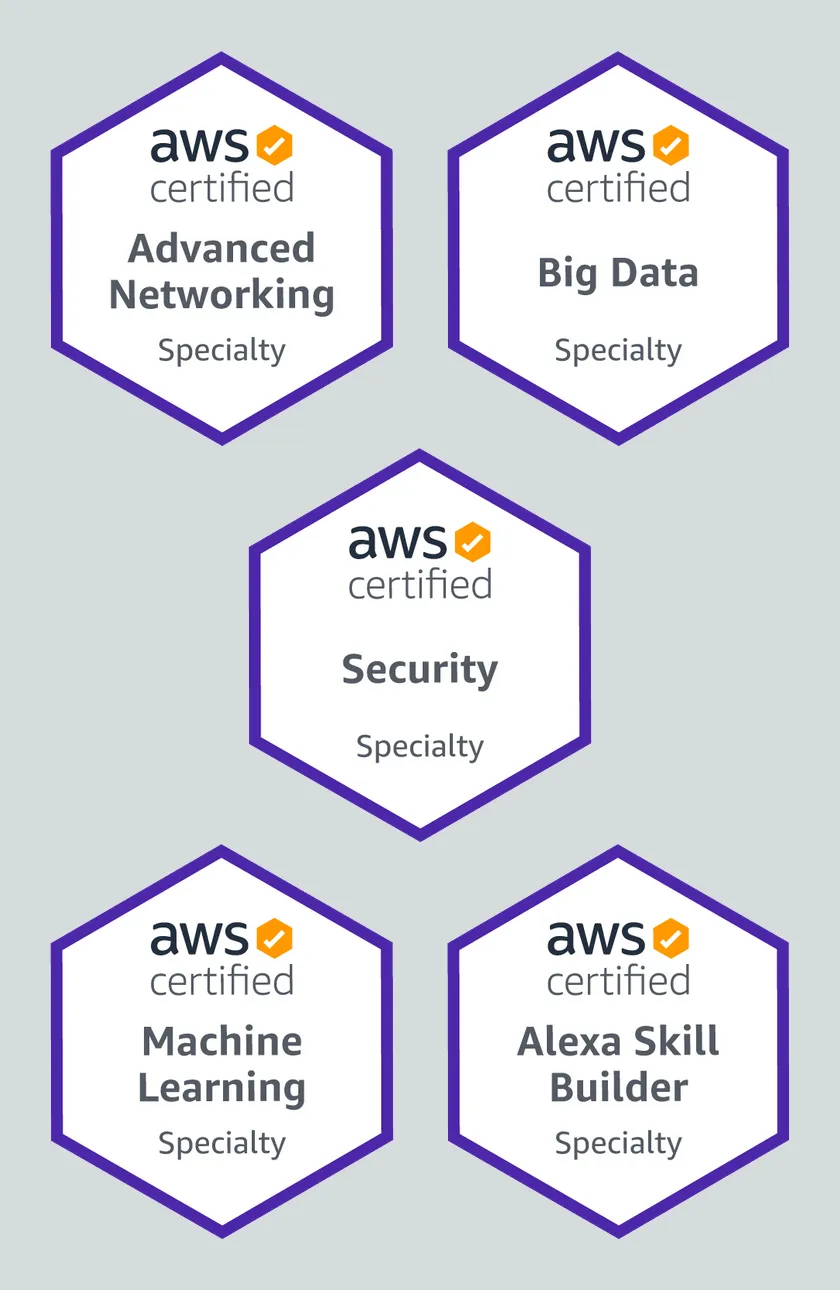
The certifications called AWS Specialty demonstrate that you are familiar with these product areas. However, these training courses should not be underestimated and are more demanding than associate levels. These training courses include:
- AWS Advanced Networking Specialty
- AWS Big Data Specialty
- AWS Security Specialty
- AWS Machine Learning Specialty
- AWS Alexa Skill Builder Specialty
More details on AWS certifications can be found here:
Official AWS Certification website
Difficulty of the AWS Certifications